

12 Best Ergonomic Office Chairs for Bad Backs: Comprehensive 2026 Expert Guide
Chronic lower back pain, sciatica, and thoracic stiffness are among the most frequent workplace complaints faced by remote workers and corporate professionals. Sitting for prolonged periods can place immense mechanical strain on the lumbar discs, leading to postural decline and muscular fatigue. In 2026, the global office furniture industry has experienced an important shift toward biomorphic adjustments and reactive tension systems. Selecting the correct seating architecture is no longer just about everyday comfort, but a core health necessity to prevent cumulative spinal injury.

At Desk One, we analyze, build, and test seating solutions from an orthopedic perspective. From our experience, many consumers mistakenly believe that thick, unyielding leather padding or rigid, unadjustable plastic frames equate to long-term spinal relief. Instead, structural health requires dynamic pelvic stabilization and custom lumbar pathing that moves naturally with your body. This guide breaks down the twelve premier designs for ergonomic office chairs for bad backs, analyzing concrete engineering metrics, weight limits, and tilt dynamics to protect your spinal column.
1. Summary Matrix: Seating Profiles and Support Categories
Before reviewing detailed model evaluations, we recommend contrasting ergonomic architectures against specific clinical pain points. The table below details how premium office furniture segments within the modern marketplace.
| Chair Configuration Category | Lumbar Support Type | Optimal Spinal Diagnosis | Weight Capacity | Core Engineering Benefit |
|---|---|---|---|---|
| Dynamic Suspension Mesh | Self-Adjusting / Tension Cleat | Sciatica and Lumbar Disc Compression | 135kg to 150kg | Consistent breathability with uniform weight tracking |
| Reactive Multi-Segment Shell | Flexible Segmented Matrix | Postural Kyphosis and Sacral Strain | 135kg to 160kg | Independent upper and lower thoracic tracking |
| High-Density Contoured Foam | Integrated Depth Controls | Tailbone Pressure and Piriformis Pain | 125kg to 140kg | Deep cushioning with targeted pressure redistribution |
| Bionic FlexFit Control Systems | Motorized / Adjustable Dial | Chronic Low Back Pain and Muscle Spasms | 130kg to 145kg | Active posture realignment with structural support |
2. The Biomechanics of Low Back Pain and Sciatica
To pick a solution from an office chairs collection, you must understand how sitting affects the human spine. Static sitting increases intradiscal pressure by up to 40% compared to standing. When a chair lacks adequate lower back support, the pelvis tilts backward, flattening the natural lordotic curve of the spine. This displacement shifts your weight unevenly onto the lumbar discs, frequently compressing the sciatic nerve path.
From our experience, true pain relief requires open thoracic positioning and slight anterior pelvic tilt. A well-designed seat pan must feature a sloping waterfall front edge to reduce localized hamstring pressure and keep blood circulating properly behind the knees. Furthermore, armrests must adjust seamlessly to keep your shoulders relaxed, reducing stress on the upper trapezius and cervical spine throughout the workday.
3. In-Depth Evaluation of the 12 Best Seating Concepts
1. Desk One Ergo Flex V3
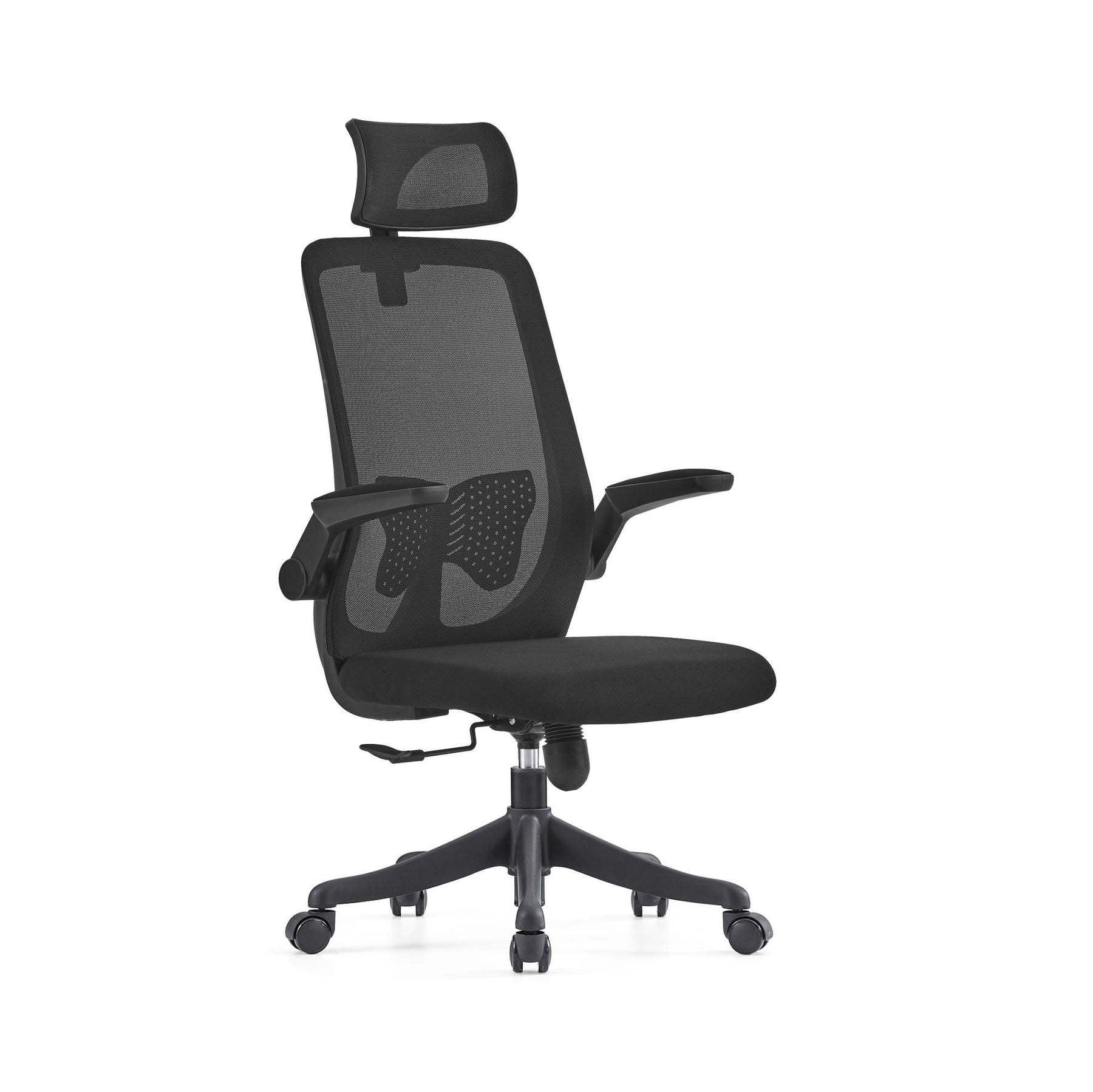
The Ergo Flex V3 stands out as a highly adaptable mesh office chair designed to provide targeted lower back relief across extended work sessions. Built to support up to 135kg, this chair features an overall height range of 111cm to 128cm and a flexible seat height adjustment between 39cm and 49cm. Its built-in lumbar support frame responds instantly to localized pelvic movements, helping to maintain a healthy spinal alignment.
The inclusion of adjustable flip-up armrests makes it incredibly easy to roll close to your workstation, while the premium mesh and cushion assembly provides excellent breathability to prevent heat retention. We recommend this model as a versatile option for home offices or corporate spaces where diverse body types require customized support. Explore full product specifications on the Desk One Ergo Flex V3 page.
2. Herman Miller Aeron Remastered
The Aeron remains an industry benchmark for pressure redistribution and hot climates. Its unique Pellicle mesh suspension system eliminates traditional foam pressure points by tensioning specific zones across the seat and backrest. Equipped with a dual-module PostureFit SL system, it stabilizes the sacrum and supports the natural lumbar curve to prevent slouching.
3. Steelcase Leap V2
For individuals dealing with variable lower back pain, the Steelcase Leap V2 offers excellent mechanical adjustability. Its LiveBack technology mimics the natural movement of your spine, allowing the backrest to flex as you change positions. Separate controls for lower back firmness and upper back force let you customize the support profile to match your specific daily comfort needs.
4. Desk One Dynamic Executive Chair
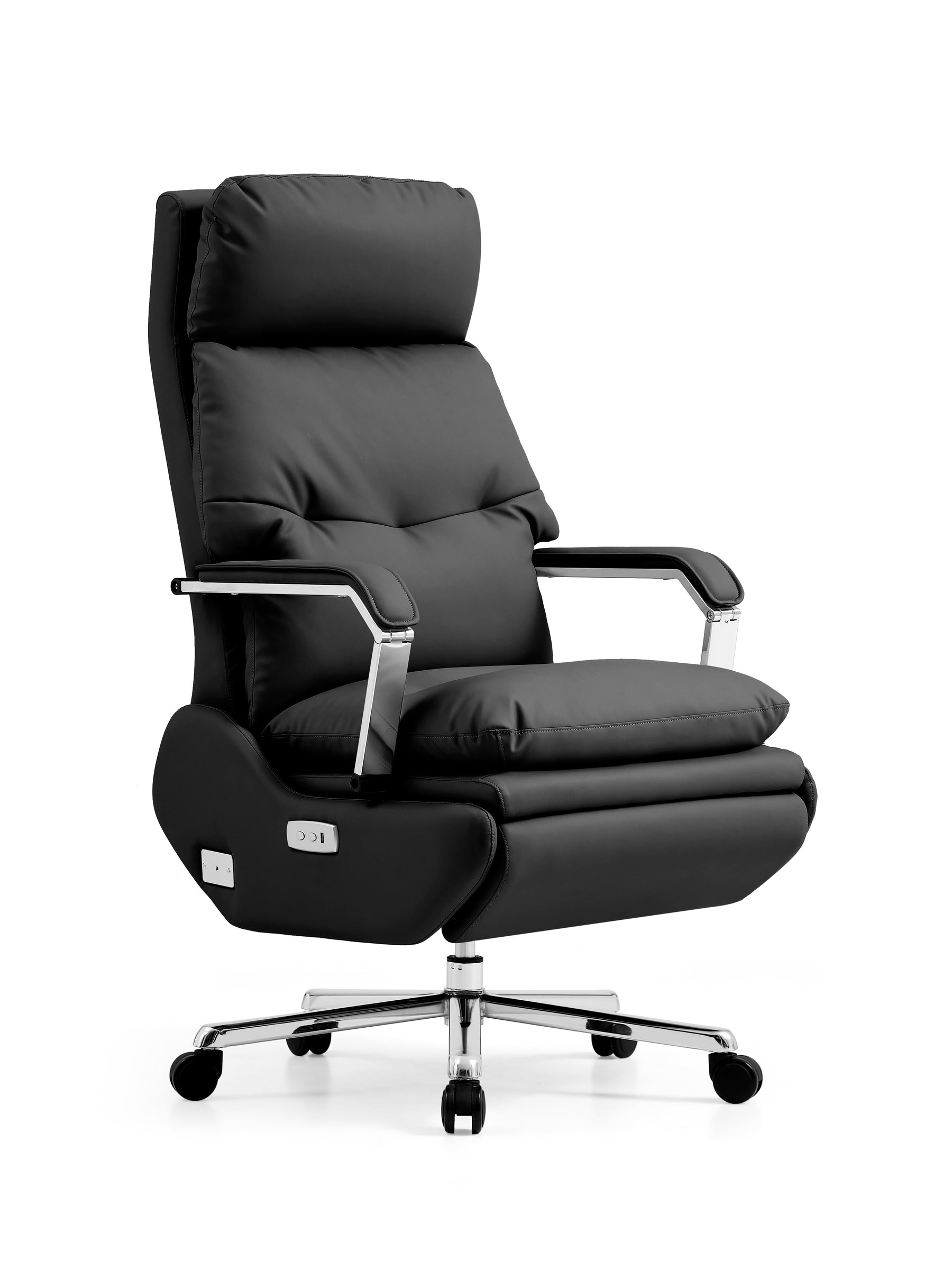
If you prefer a luxurious, padded executive design without compromising on therapeutic value, the Desk One Dynamic offers an advanced solution. Measuring 82cm (D) x 71cm (W) x 118-122cm (H), this chair is built with premium PU leather over an eco-friendly E1-grade frame. It combines high-density foam with specialized doll cotton cushioning to distribute weight evenly across your hips and sacrum.
A key feature for individuals dealing with chronic muscle spasms is the integrated massage mechanism powered via a convenient USB charging port. With an adjustable recline path that extends up to 150 degrees, an electroplated iron base, and silent black PU casters, it blends premium comfort with excellent structural stability. Discover more on the Desk One Dynamic Executive Chair page.
5. Haworth Fern
The Haworth Fern uses a unique edgeless design to create a responsive, flexible backrest. It features a wave-patterned inner structure that provides personalized support to each region of your spine. The soft digital knit material moves with you naturally, minimizing pressure along the shoulder blades and upper thoracic area.
We recommend prioritizing chairs that include a dedicated seat depth adjustment mechanism. If the seat pan is too deep for your height, it will press against the back of your knees, forcing you to slide your hips forward and leaving your lower back completely unsupported. A proper seat slider ensures your sacrum stays firmly against the lumbar cushion.
6. Desk One Ergo Lite
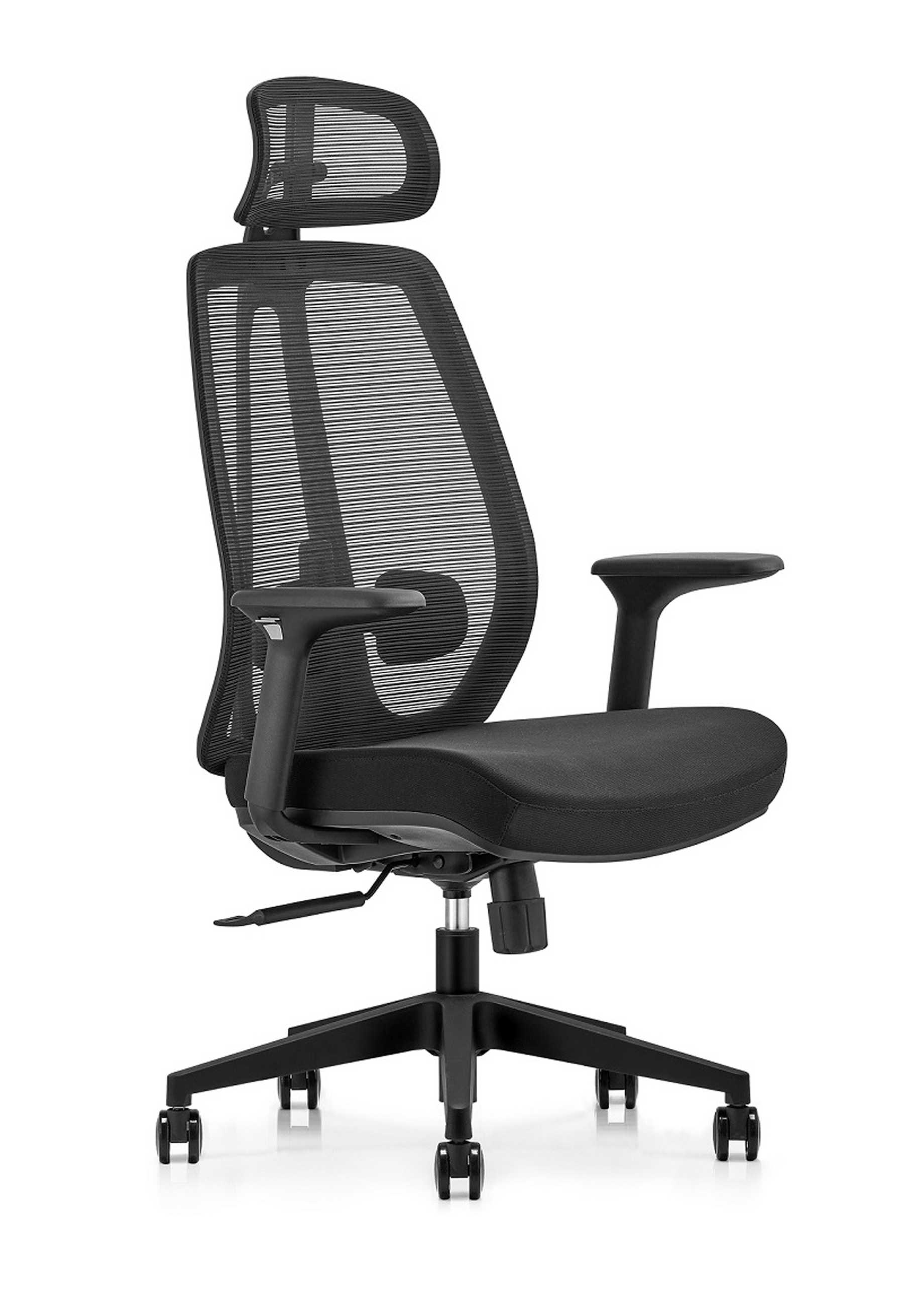
The Ergo Lite is a highly efficient, BIFMA-certified option that delivers excellent ergonomic features at an accessible price point. Built with a robust nylon base and smooth, silent PU casters, it features premium mesh fabric paired with an eco-friendly high-density foam seat pan. It includes adjustable 2D armrests and an engineering plastic and fiber frame assembly that stands up to daily wear.
The chair features a reliable 3-position locking recline mechanism and an S3-grade gas lift for smooth height adjustments. This combination allows you to alternate easily between upright focus and a supportive tilt. Check out full details on the Desk One Ergo Lite product page.
7. Anthros Premium Back Chair
Designed alongside physical therapists, the Anthros chair focuses directly on managing chronic back pain and sciatica. It uses an independent, dual-pad backrest layout to stabilize the pelvis before providing targeted support to the lower spine. This focused approach reduces pressure on the piriformis muscle, making it a favorite for severe lower back care.
8. Eurotech Vera
The Eurotech Vera is highly praised for its simple, effective backrest design. The mesh back is suspended between a durable U-shaped frame, creating a supportive, hammock-like feel that cradles the lower back naturally. This design offers excellent support without requiring constant manual adjustments throughout the day.
9. Steelcase Gesture
The Gesture excels at supporting natural movement across different devices and work postures. Its highly adjustable 4D armrests pivot closer to the body, keeping your shoulders properly supported whether you are typing on a standard keyboard or looking at a mobile screen. Its flexible seat edge helps reduce thigh pressure during deep recline angles.
10. Branch Ergonomic Chair Pro
A standout choice in the mid-range market, the Branch Pro combines clean styling with multiple adjustment points. It features an Italian double-mesh backrest and independent lumbar height controls. This setup allows users to position the support precisely against their lower back, helping to maintain proper posture during long shifts.
11. Herman Miller Embody
The Embody utilizes an advanced matrix of pixelated supports across the seat and backrest to automatically adapt to your body micro-movements. This active pressure distribution system improves circulation and reduces localized tissue strain, making it an excellent investment for individuals recovering from spinal adjustments or disc issues.
12. HÅG Capisco 8106
The Capisco features an unconventional saddle-seat design that encourages active, dynamic sitting. It allows you to sit forward, backward, or sideways, keeping your core engaged and your hip angles open. This layout reduces overall disc pressure, making it a popular choice for pairing with adjustable standing desks.
4. Engineering Selection Protocol: Adjustability and Materials
To find the most effective ergonomic office chairs for bad backs, users must look past simple color options and evaluate core mechanical features that protect the lumbar spine.
Evaluating Budget Categories and Regional Market Trends
The global office furniture market offers excellent solutions across multiple tiers. If you are shopping within a specific budget, reviewing our comprehensive ergonomic chairs under $500 guide can help you find high-value designs that include essential posture adjustments without sacrificing build quality.
If you are exploring premium setups, checking out regional market evaluations such as our top ergonomic chairs Australia catalog provides excellent insight into elite component testing. To understand how new technologies are shaping modern workplace wellness, browse through our forward-looking top ergonomic chairs 2026 framework to see the latest developments in smart tension tracking.
Sizing Adaptations and Specialized Functional Needs
Standard chairs often fail to support users outside average height ranges. Taller individuals require longer seat sliders and extended gas lifts to prevent slouching; our specialized review of ergonomic chairs for tall users breaks down the specific measurements needed to support longer body frames safely.
For users who want to combine structural back support with active muscular recovery, automated massage options offer a fantastic solution. Exploring our dedicated massage office chairs review breaks down how integrated heating elements and mechanical vibration zones work together to soothe sore muscles, relieve tension, and keep you comfortable throughout the day.
5. Frequently Asked Questions
6. Academic and Clinical References
For more details on spinal health, posture engineering, and ergonomic workspace design, consult these authoritative international resources:
- Spine Journal. The Direct Impact of Office Seating Mechanics on Intradiscal Pressure and Lumbar Discs.
- Business and Institutional Furniture Manufacturers Association. BIFMA X5.1 – Office Chairs Structural Reliability and Safety Standards.
- Mayo Clinic. Adult Back Pain Management: Maintaining Proper Ergance in Corporate Work Environments.


