

The 7 Best Visitor Chairs for Hospital Facilities in 2026: An Expert Guide
Healthcare environments demand a highly specialized standard of furniture. When outfitting a patient ward, a private consultation room, or a high-traffic triage area, selecting the proper visitor chairs for hospital settings is a critical operational decision. These seating solutions must endure continuous, round-the-clock use, support individuals of varying physical abilities, and most importantly, comply with strict infection control protocols. From our experience at Desk One, we know that integrating the right seating can significantly alleviate the physical and psychological stress placed on patients' families during prolonged stays.

The standard for visitor chairs for hospital environments has evolved dramatically. Gone are the days of sterile, uncomfortable plastic seating that causes musculoskeletal fatigue. Today, procurement directors are prioritizing ergonomic support, commercial-grade durability, and easy-to-clean upholstery like Polyurethane (PU) leather. We recommend evaluating every chair through the lens of hygiene, stability, and aesthetic warmth, which is vital for creating a healing environment. In this authoritative guide, we will outline the strict criteria for clinical seating and review the 7 best visitor chairs for hospital environments available in 2026.
Table of Contents
1. Expert Criteria for Selecting Visitor Chairs for Hospital Use
Procuring reliable visitor chairs for hospital facilities is fundamentally different from selecting standard office or home furniture. The stakes regarding public health and safety are exceptionally high. When we consult with healthcare facility managers, we recommend strictly adhering to the following four pillars of clinical seating design:
- Infection Control and Cleanability: The primary requirement for any visitor chairs for hospital spaces is the ability to be sanitized rapidly and effectively. Porous fabrics harbor pathogens, making them entirely unsuitable. We recommend non-porous materials such as high-grade PU leather or clinical vinyl. These surfaces are water and stain-resistant, allowing environmental services teams to wipe them down with hospital-grade disinfectants without degrading the upholstery.
- Structural Integrity and Weight Capacity: Visitor chairs for hospital use must support a diverse demographic. Chairs must feature heavy-duty metal or reinforced timber frames capable of accommodating higher weight loads without structural failure or tipping hazards.
- Ergonomic Comfort for Prolonged Sitting: Family members often spend hours, or even days, sitting next to a patient's bed. The best visitor chairs for hospital environments feature high-density foam padding and curved backrests that support the lumbar spine, preventing postural fatigue.
- Mobility and Spatial Efficiency: Patient rooms are highly dynamic environments. Medical equipment must be moved rapidly in emergencies. Therefore, visitor chairs for hospital spaces should be relatively lightweight, easy to relocate, and in some cases, stackable to clear floor space instantly.
2. The 7 Best Visitor Chairs for Hospital Settings
Based on our extensive industry analysis, durability testing, and adherence to infection control standards, we have curated the following list of the top seating solutions. Whether you are outfitting a private recovery suite, a hospital café, or an administrative waiting area, these visitor chairs for hospital facilities provide unparalleled performance.
1. Desk One Lumo - Curved PU Leather & Edge Stitch Chair
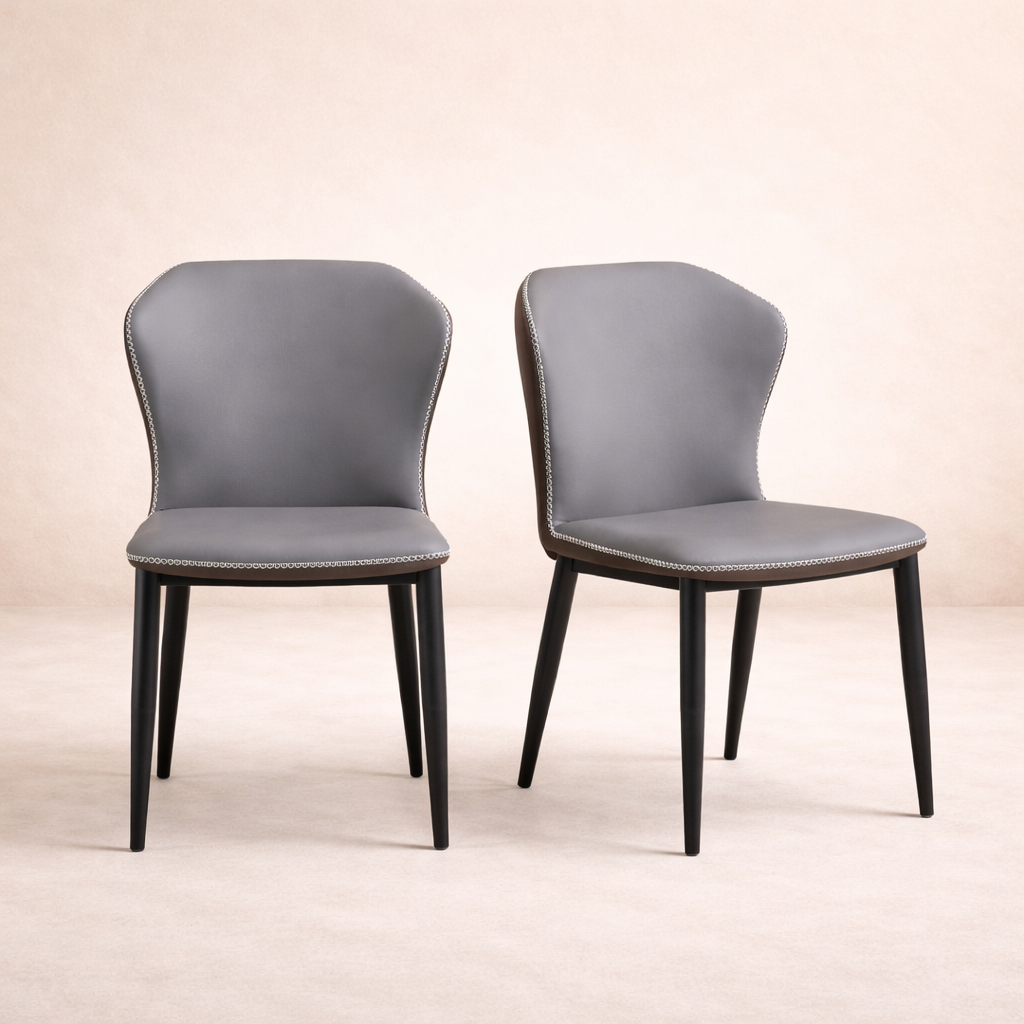
For private patient suites, consultation rooms, and executive healthcare waiting areas, the Desk One Lumo stands as an exceptional choice. From our experience, sterile environments benefit immensely from furniture that introduces warmth and residential comfort. The Lumo features a smooth PU leather finish that is inherently water and stain-resistant, making it remarkably easy to clean and compliant with hospital hygiene protocols. Its ergonomic curved backrest supports natural posture during long consultations, while the tapered metal legs provide a stable yet visually lightweight footprint. Available in Grey and Walnut, and sold in sets of 2 or 4, the Lumo is our top recommendation for premium visitor chairs for hospital environments.
2. Desk One Holiday Chair – Wood Backrest with Cut-Out & PU Leather Seat
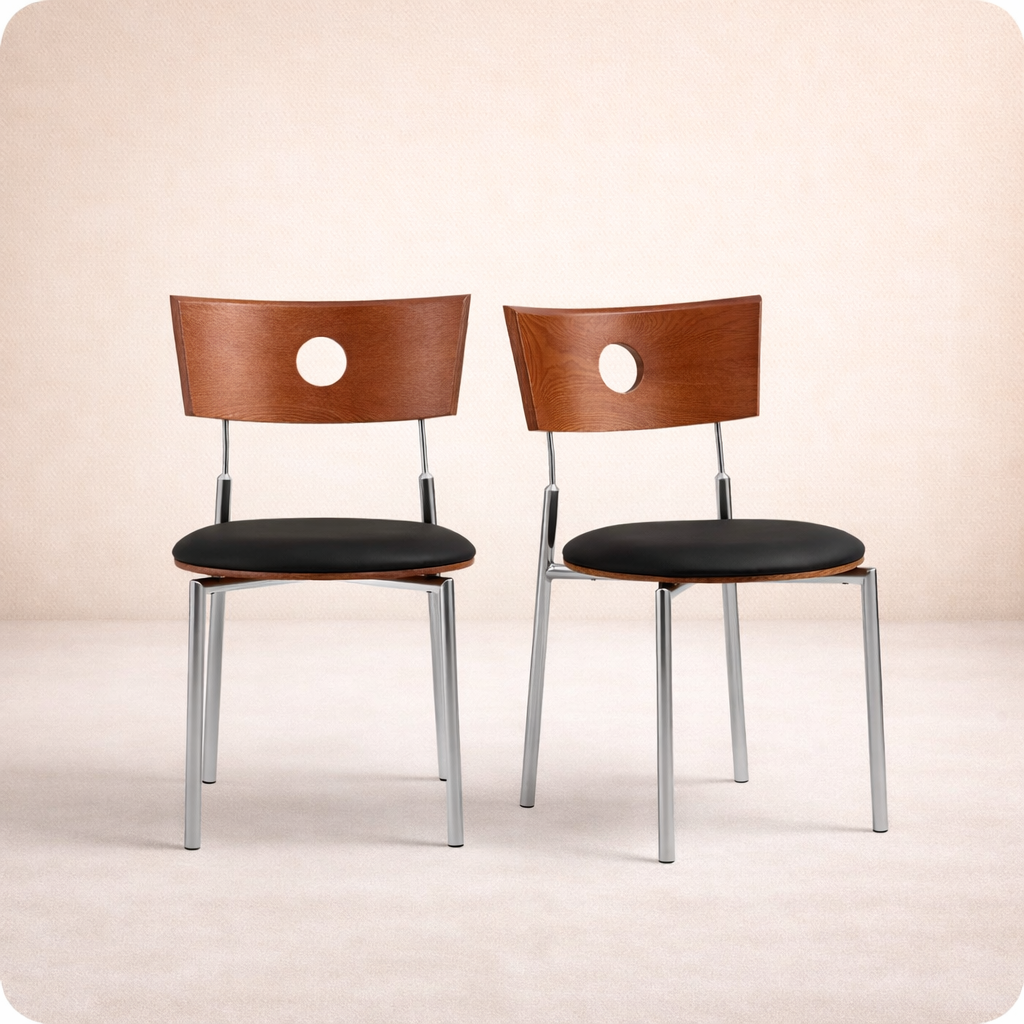
High-traffic areas such as hospital cafeterias, bistros, and secondary reception spaces require seating that is durable, easy to maintain, and simple to move. The Desk One Holiday Chair answers this demand perfectly. It features a signature wood backrest with a circular cut-out, providing visual lightness and allowing staff to easily handle and relocate the chair. The padded PU leather seat ensures comfort for guests while remaining completely wipeable for quick sanitation. Built with highly durable metal legs, this lightweight and stackable design is one of the most versatile visitor chairs for hospital use.
3. The Clinical Bariatric Support Seat
Inclusivity in healthcare seating is mandatory. Bariatric visitor chairs for hospital environments are engineered with reinforced steel frames and widened seat pans to safely accommodate patients and visitors of all sizes. These models typically eschew armrests to prevent physical restriction and utilize heavy-duty clinical vinyl to ensure rigorous infection control.
4. The Antimicrobial Overnight Sleeper Chair
For pediatric wards or intensive care units where family members stay overnight, standard visitor chairs for hospital use are insufficient. Sleeper chairs seamlessly transition from an upright armchair into a flat sleeping surface. The best models utilize seamless antimicrobial upholstery to prevent bacteria from accumulating in crevices, providing crucial comfort for exhausted caregivers.
5. The Interlocking Tandem Seating Unit
For primary emergency room waiting areas, interlocking tandem units are the industry standard. These visitor chairs for hospital waiting rooms feature a continuous metal beam that connects three to five seats. This prevents visitors from moving chairs into walkways, maintaining clear fire exits and operational flow. We recommend tandem units with PU leather seat pads for easy maintenance.
6. The High-Back Orthopedic Visitor Chair
Elderly visitors often struggle to rise from low, deep seating. The high-back orthopedic chair is designed specifically to address this limitation. It features an elevated seat height, firm cushioning, and extended armrests that provide necessary leverage for standing. As a staple among visitor chairs for hospital environments, this design heavily prioritizes musculoskeletal support.
7. The Stackable Polyurethane Care Chair
When immediate flexibility is required, such as converting a consultation room into a larger meeting space, stackable polyurethane chairs are indispensable. Molded from a single piece of high-impact polymer, these visitor chairs for hospital use have no seams or joints where pathogens can hide. They can be aggressively sanitized and stacked up to ten high for efficient storage.
3. Ergonomics and Spatial Planning in Clinical Environments
Integrating visitor chairs for hospital environments requires strategic spatial planning. A chair must not impede the path of a stretcher, an IV pole, or a crash cart. We recommend mapping the traffic flow of your facility before purchasing. For comprehensive guidance on spatial footprints, consult our office chair size guide to ensure your selections do not overcrowd patient rooms.
Furthermore, while outfitting patient areas, the needs of the clinical and administrative staff must not be neglected. Healthcare professionals endure long shifts and require equally supportive seating. For administrative intake teams, we recommend exploring options from our budget ergonomic chairs Australia selection or our highly rated ergonomic chairs under $300.
To maintain a clean, clinical aesthetic at nurses' stations, white ergonomic desk chairs offer a professional appearance. For radiologists or specialists who remain seated for extended periods, investing in ergonomic chairs with footrest capabilities can drastically reduce lower extremity fatigue. Finally, if you are tasked with upgrading an entire lobby, read our dedicated analysis on waiting room chairs Australia for large-scale seating strategies.
4. Summary Comparison Table
To assist procurement managers in their decision-making process, we have summarized the top visitor chairs for hospital use based on their ideal clinical application and primary material composition.
| Chair Model | Ideal Hospital Application | Upholstery / Material | Key Feature |
|---|---|---|---|
| Desk One Lumo | Private Suites, Consultation Rooms | PU Leather, Metal Frame | Ergonomic curve, residential warmth, wipeable |
| Desk One Holiday | Hospital Cafés, Reception Areas | PU Leather, Wood Backrest | Lightweight, easy handling, highly stackable |
| Clinical Bariatric Seat | General Wards, ER Triage | Clinical Vinyl, Steel Frame | High weight capacity, widened seat pan |
| Overnight Sleeper Chair | Pediatrics, Intensive Care (ICU) | Antimicrobial Fabric | Converts to flat bed for overnight visitors |
| Interlocking Tandem Unit | Main Lobbies, ER Waiting Rooms | Polymer or PU Leather Pads | Maintains spatial order, prevents shifting |
| High-Back Orthopedic | Geriatric Wards, Post-Op Recovery | Medical Grade Vinyl | Elevated seat height, strong leverage armrests |
| Stackable Polyurethane | Multipurpose Rooms, Staff Areas | Molded Polyurethane | Seamless infection control, extreme durability |
5. Frequently Asked Questions (FAQs)
6. Authoritative References
To ensure your facility meets all necessary health and safety regulations regarding furniture procurement, we recommend consulting the following authoritative bodies:
- Australian Commission on Safety and Quality in Health Care - For comprehensive guidelines on infection prevention and control standards in clinical environments.
- Centers for Disease Control and Prevention (CDC) - Guidelines for environmental infection control in health-care facilities.
- World Health Organization (WHO) - Global standards for infection prevention and control (IPC) in healthcare settings.


