

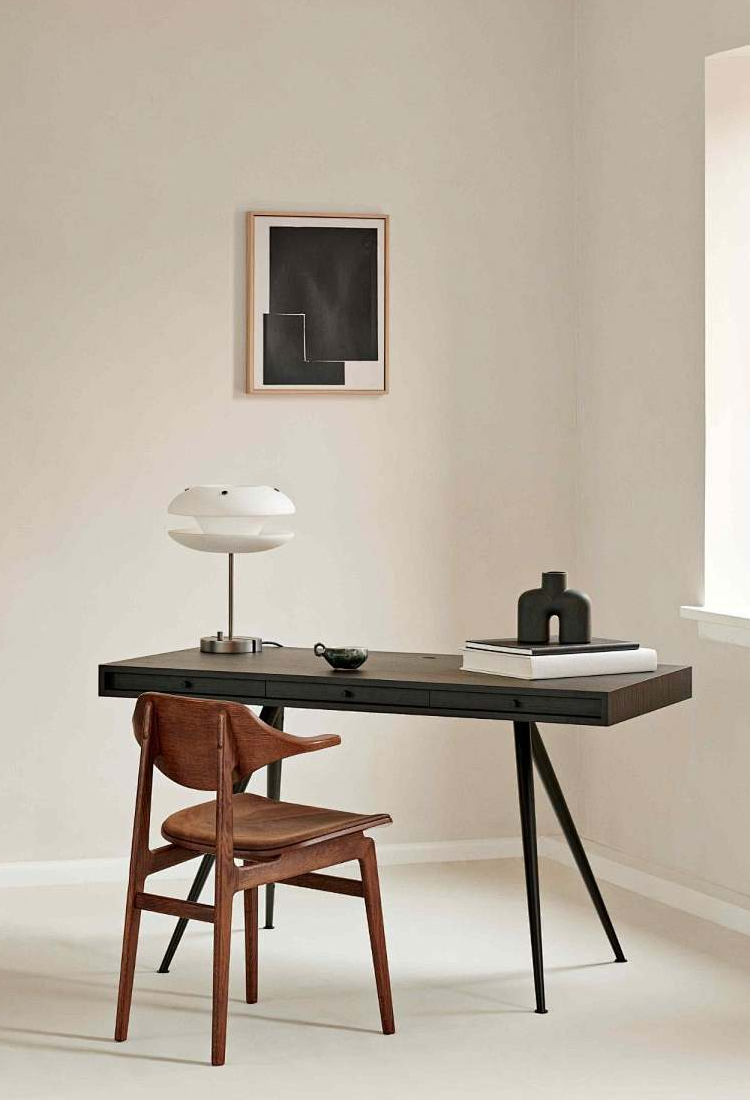
15 Sleek Visitor Chair Designs for Contemporary Offices
First impressions in corporate environments are not formed in the boardroom; they are cemented in the reception area. From our experience outfitting hundreds of high-tier corporate and medical spaces, the seating you provide your clients speaks volumes about your brand's financial health, attention to detail, and respect for their time. Gone are the days of bulky, squeaking vinyl waiting chairs. Today, the demand is entirely focused on sleek visitor chair designs for contemporary offices that blend architectural aesthetics with short-term ergonomic support.

At Desk One, we do not view visitor seating as an afterthought. It is a strategic commercial investment. A poorly designed guest chair can leave a client feeling fatigued or undervalued before a meeting even begins. In this comprehensive guide, we strip away the marketing jargon and analyze the exact structural designs, fabrics, and configurations you need. We will walk you through what works, what fails under commercial stress, and whether it is actually worth buying premium guest seating for your specific floor plan.
Quick Answer: What Makes a Visitor Chair "Contemporary"?
Contemporary visitor chairs are defined by minimalist silhouettes, high-performance textiles (like chenille or commercial-grade PU leather), and robust but visually lightweight frames (such as tubular steel or solid ash wood). Unlike heavy, multi-adjustable task seating, these chairs prioritize immediate, intuitive comfort for durations of 15 to 60 minutes. We recommend focusing on semi-armrest models or elegant sled bases that offer high aesthetic impact without cluttering your floor space.
Table of Contents
- What It Is: Redefining Guest Seating
- Quick Summary Table: Core Chair Categories
- How It Works: The Biomechanics of Short-Term Sitting
- The 15 Sleek Visitor Chair Designs
- The Strategic Benefits of Upgrading
- Limitations and What to Avoid
- Who Should Use Them (And Who Does Not Need Them)
- Common Mistakes in Office Fit-Outs
- Comparison Table: Visitor vs. Task Chairs
- Commercial Buying Considerations
- Buying Guide Table
- Pros and Cons of Sleek Profiles
- Expert Recommendation
- The Bottom Line
- Frequently Asked Questions
What It Is: Redefining Guest Seating
Sleek visitor chair designs for contemporary offices are specialized seating solutions engineered specifically for reception areas, executive side-desks, and collaborative breakout zones. Unlike primary task chairs, which require complex mechanisms for 8-hour support, visitor chairs rely on fixed ergonomic curves. They utilize resimercial design—a blend of residential warmth and commercial durability. This means bringing textures like boucle, chenille, and top-grain leather into the office while anchoring them on commercial-grade steel or solid wood frames.
Quick Summary Table: Core Chair Categories
| Design Category | Visual Profile | Best Suited For |
|---|---|---|
| The Resimercial Accent | Soft fabrics, curved wood, residential feel. | Boutique agencies, therapy clinics, high-end waiting rooms. |
| The Executive Sled | Chrome or black steel base, leather upholstery. | Law firms, financial institutions, executive suites. |
| The Minimalist Wireframe | Ultra-thin metal frames, firm seating pad. | Tech startups, creative studios, tight floor plans. |
How It Works: The Biomechanics of Short-Term Sitting
In most professional situations, a visitor sits for an average of 15 to 45 minutes. The ergonomic requirements here are vastly different from those of an employee sitting all day. A visitor chair works by utilizing a fixed lumbar curve and a slightly reclined backrest angle (usually around 100 to 105 degrees). This forces the guest into a relaxed but attentive posture.
From an engineering standpoint, these chairs must accommodate a wide variance in body types without the need for levers or dials. If you review a standard office chair size guide, you will note that commercial visitor chairs typically feature a wider seat pan (19 to 21 inches) and a standard seat height of 17.5 inches to ensure easy ingress and egress for guests of all heights.
The 15 Sleek Visitor Chair Designs
In our testing and curation at Desk One, we categorize contemporary visitor chairs into specific design schools. Below, we outline the 15 distinct designs dominating the 2026 commercial landscape, highlighting our premium recommendations.
1. The Curved PU Leather Semi-Armrest
For spaces that demand elegance without the maintenance nightmare of genuine porous leather, curved PU leather is the definitive choice. The semi-armrest design provides a resting place for the elbows without restricting the hips, making it incredibly inclusive for all body types.

Desk One OliMaré - Curved PU Leather Semi-Armrest Dining/Visitor Chair
Finished in dual-tone Cream and Taupe, this chair bridges the gap between executive luxury and modern minimalism. The curved backrest embraces the user, offering immediate lumbar relief. It is the ultimate statement piece for a CEO's office or a premium client consultation room.
View Specifications2. The Japanese Zen Solid Wood Profile
Biophilic design—incorporating natural elements into the workspace—is proven to reduce client anxiety. Solid wood chairs with cushioned backs offer an organic, grounding presence. They are highly favored in medical clinics, wellness centers, and architecture firms.

Desk One Lupe Chair – Japanese Zen Solid Wood & Cushioned Back
Crafted with profound respect for minimalist joinery, the Lupe features a sturdy solid wood frame paired with a high-density foam backrest. It is exceptionally durable and brings a sense of calm authority to any waiting area. This is not just a chair; it is architectural art.
View Specifications3. The Bold Textured Metal Frame
Contemporary offices are increasingly moving away from sterile whites and greys, introducing rich jewel tones through upholstery. Chenille fabric paired with matte black metal frames creates a striking contrast that communicates creative energy.

Desk One Clover Chair – Green Chenille and Black Metal Frame
The Clover chair is designed for impact. The tactile green chenille offers a luxurious sensory experience, while the severe lines of the black metal frame keep the aesthetic strictly professional. We highly recommend this for creative agencies and tech startup lobbies.
View Specifications4. The Cantilever Sled Base
A staple in corporate environments, the cantilever design has no back legs. The frame relies on the tensile strength of tubular steel, providing a gentle, natural bounce when the user sits down. It is excellent for boardroom perimeters.
5. The Fully Upholstered Tub Chair
For lounge areas, the tub chair wraps around the user. It is bulky, but it provides maximum privacy and acoustic dampening in open-plan lobbies.
6. The Mid-Century Shell
Inspired by 1950s design, molded polypropylene shells with wooden dowel legs remain popular for casual breakout zones. They are easy to clean but lack deep cushioning.
7. The Mesh Back Sled
Mimicking primary task chairs, these offer a breathable mesh back but on a fixed sled base. Excellent for hot climates or spaces where visitors may wait for over an hour.
8. The Armless Minimalist
Perfect for tight corridors. Removing the armrests entirely allows guests to slide in and out easily, and the chairs can be tucked cleanly under tables. Explore our full armless office chairs collection for spatial efficiency.
9. The High-Back Wing
Used primarily in executive suites, high-back visitor chairs command authority and offer superior shoulder support for VIP clients.
10. The Acrylic Ghost Chair
For ultra-modern, high-fashion, or cosmetic spaces. Made from clear polycarbonate, they take up zero visual weight in a room, though they offer limited ergonomic comfort.
11. The Industrial Steel Stool
For standing desks or high collaborative tables. Raw steel finishes and distressed leather seats suit converted warehouse offices.
12. The Leather Sling
A minimalist metal frame with a piece of heavy saddle leather slung across it. Highly architectural, but better suited for short 10-minute waits.
13. The Geometric Wireframe
Constructed entirely of welded steel rods. They require a bespoke seat pad and are chosen purely for their sculptural aesthetic in creative environments.
14. The Modular Bench Seating
Not a traditional chair, but heavily used in high-traffic commercial lobbies. Upholstered geometric blocks that can be reconfigured based on traffic flow.
15. The Velvet Accent Chair
Bringing high glamour to the office. Velvet requires intense maintenance but delivers an unparalleled look of luxury for high-end real estate or legal reception areas.
The Strategic Benefits of Upgrading
Upgrading your reception with sleek visitor chair designs for contemporary offices directly impacts client psychology. A premium chair communicates stability and success. Furthermore, modern materials are engineered for high-traffic durability. Replacing cheap, peeling vinyl chairs with commercial-grade PU leather or heavy-duty chenille saves money over a 5-year depreciation cycle because you are not constantly replacing broken furniture.
Limitations and What to Avoid
The primary limitation of sleek visitor chairs is their lack of micro-adjustability. They are not designed for long-term computer work. If you force an employee to sit in a visitor chair for an 8-hour shift, you will cause severe musculoskeletal strain. If you need seating for staff, you must look at dynamic task seating, such as the ergonomic office chairs 2025 lineup.
Who Should Use Them (And Who Does Not Need Them)
For commercial users: Law firms, private wealth managers, medical specialists, and creative agencies must invest heavily in premium visitor seating. Your clients expect a physical environment that matches your professional fees. We strongly suggest reviewing dedicated waiting room chairs Australia standards for clinical spaces.
Who does not need them: Internal back-office staff rooms, industrial warehouses, or call centers where clients never visit do not need to spend budget on aesthetic visitor chairs. Focus that capital on budget ergonomic chairs Australia for your hard-working employees.
Common Mistakes in Office Fit-Outs
The most devastating mistake we see in commercial interior design is selecting chairs based solely on a 3D architectural render. Business owners often buy beautiful, highly angular chairs that are incredibly painful to sit in. A chair with a seat pan depth that is too long will cut off circulation behind the knees of shorter guests. Another common error is buying residential dining chairs for commercial use; residential frames will shatter under the constant, repetitive strain of a busy waiting room.
Comparison Table: Visitor Chairs vs. Task Chairs
| Feature | Contemporary Visitor Chairs | Ergonomic Task Chairs |
|---|---|---|
| Adjustability | None. Fixed frame for low maintenance. | High. Gas lift, tilt tension, 4D armrests. |
| Base Design | 4-leg, sled base, or solid wood. Office chairs without wheels prevent floor damage. | 5-star base with caster wheels for mobility. |
| Aesthetic Focus | High visual impact, brand alignment. | Utilitarian, health-focused. |
| Intended Duration | 15 to 60 minutes. | 8+ hours daily. |
Commercial Buying Considerations
When you are ready to make a purchasing decision, you must evaluate the Martindale rub count of the fabric. For commercial visitor seating, demand a rating of at least 40,000 rubs to ensure the fabric will not pill or tear within the first year. Additionally, look at the weight capacity. A true commercial chair should be tested to support a minimum of 120kg to 150kg to safely accommodate all visitors.
Buying Guide Table: Matching Chair to Space
| Office Environment | Recommended Chair Feature | Our Top Pick |
|---|---|---|
| Executive Office (Client Side) | PU Leather, Semi-Armrest, Luxurious finish | Desk One OliMaré |
| Wellness Clinic / Medical | Solid Wood, Easy-clean surfaces, calming tones | Desk One Lupe |
| Creative / Tech Agency | Bold colors, textured fabrics, statement metals | Desk One Clover |
Pros and Cons of Sleek Profiles
| Pros | Cons |
|---|---|
| Elevates corporate brand perception instantly. | Fixed ergonomics are not suitable for prolonged daily work. |
| Lightweight designs maximize available floor space. | Premium fabrics (like chenille) require specific cleaning protocols. |
| Static bases (no wheels) prevent damage to premium carpets and hardwood. | High-design pieces command a higher initial capital expenditure. |
| Zero moving parts means zero mechanical failures over time. | Can be difficult to color-match if adding inventory years later. |
Expert Recommendation
Why We Advocate for the Resimercial Shift
If you are upgrading your office in 2026, we strongly recommend abandoning the sterile, clinical look of early 2000s office furniture. Your clients want to feel welcomed, not processed. The integration of dining-inspired aesthetics into commercial spaces—such as the Desk One Lupe and OliMaré—provides the exact structural integrity required for heavy-duty use, while delivering a tactile, residential warmth that disarms client anxiety. Stop buying cheap, generic sled chairs. Invest in statement seating that acts as a physical extension of your brand's excellence.
The Bottom Line
Procuring sleek visitor chair designs for contemporary offices is a balancing act between architectural beauty and commercial durability. Whether you lean toward the bold chenille textures of the Desk One Clover or the executive minimalism of PU leather, the goal remains the same: to provide immediate, dignified comfort to your guests. By understanding the biomechanics of short-term seating and avoiding the trap of buying purely for aesthetics without structural testing, you can curate a reception space that actively contributes to your business's bottom line.
Frequently Asked Questions
Are dining chairs suitable for use as office visitor chairs?
Yes, provided they are built to commercial specifications. Many contemporary offices utilize high-end dining chairs (like the Desk One Lupe or Clover) because they offer superior aesthetics and resimercial appeal. However, you must ensure the frame joints and weight capacities are rated for heavy daily use, unlike cheap residential alternatives.
Why do most visitor chairs not have wheels?
Visitor chairs are generally stationary to maintain an organized appearance in waiting rooms and to protect premium flooring from scuff marks. Removing casters also reduces the manufacturing cost and eliminates moving parts that are prone to mechanical failure over time.
What is the best fabric for high-traffic waiting areas?
For maximum durability and hygiene, commercial-grade PU leather or vinyl is unmatched because it can be wiped down instantly. If you prefer a softer texture, tightly woven synthetic blends (like treated polyester or commercial chenille) offer excellent stain resistance and high Martindale rub counts.
Authoritative Industry References
- BIFMA (Business and Institutional Furniture Manufacturers Association) - Commercial Seating Standards
- OSHA (Occupational Safety and Health Administration) - Ergonomics and Workplace Seating Guidelines
- AIA (American Institute of Architects) - Best Practices in Commercial Workspace and Reception Design


